













Motorhomes For Sale Near Me
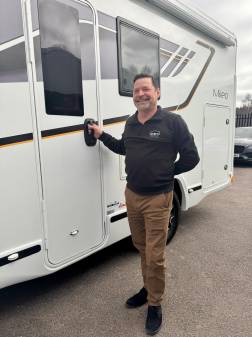
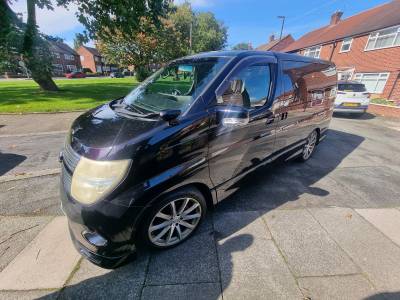
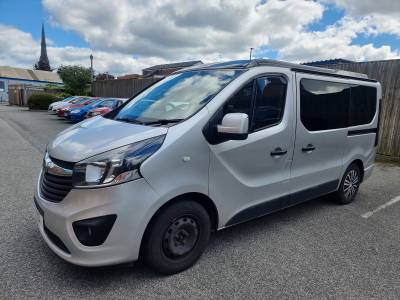
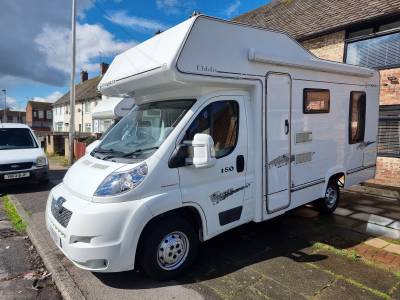
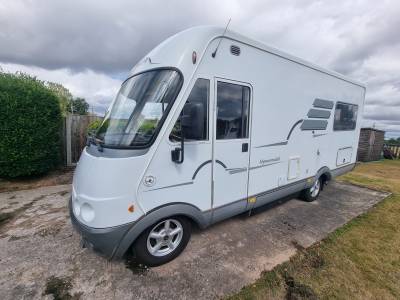
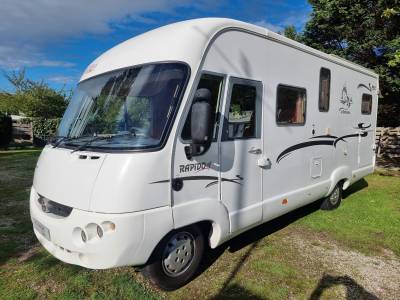
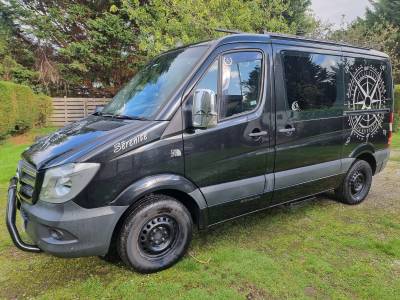
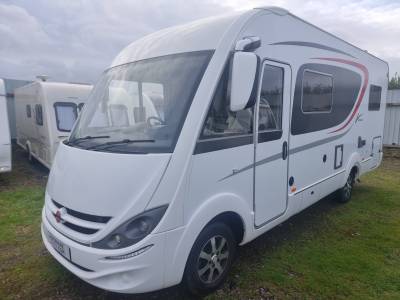
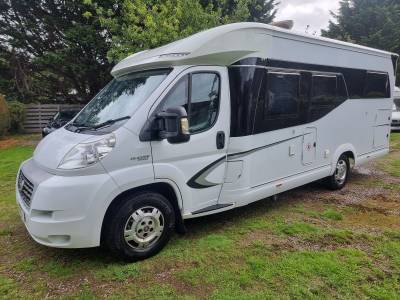
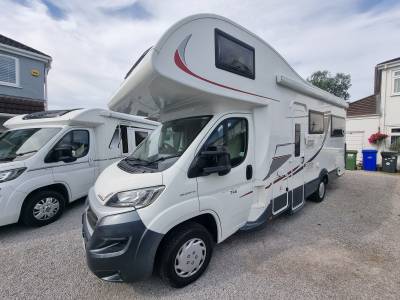
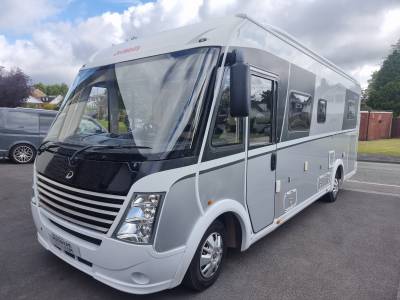
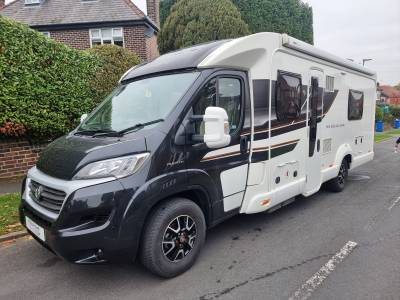
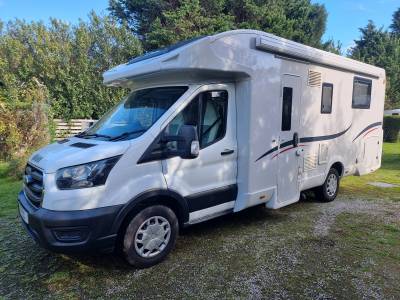
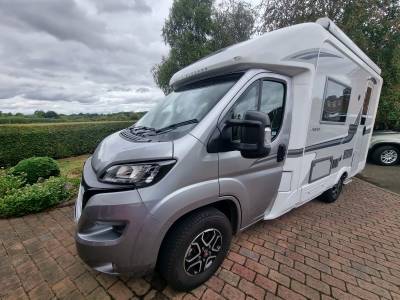
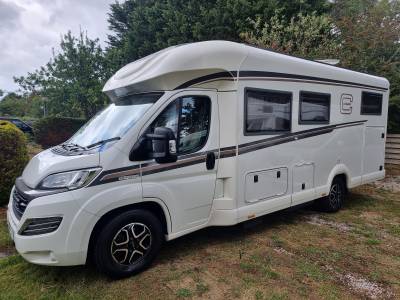
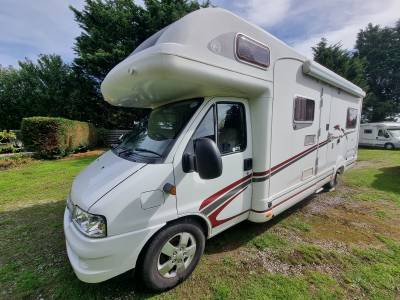
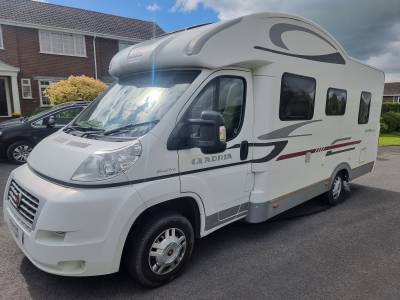
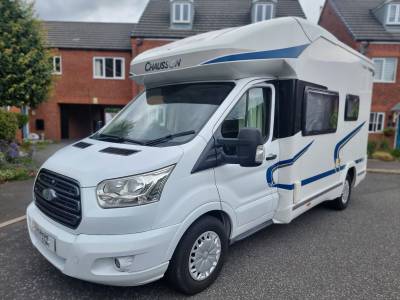
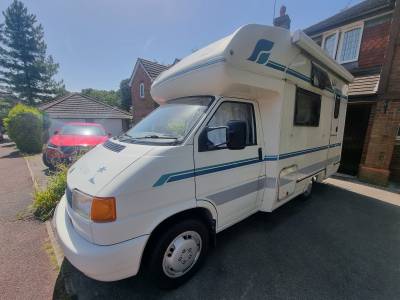
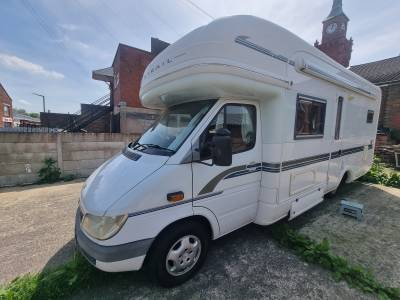
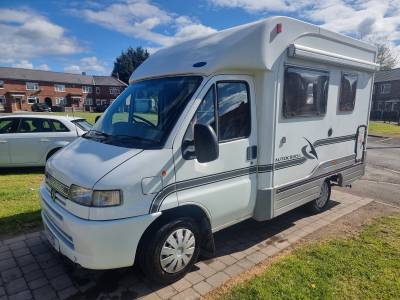
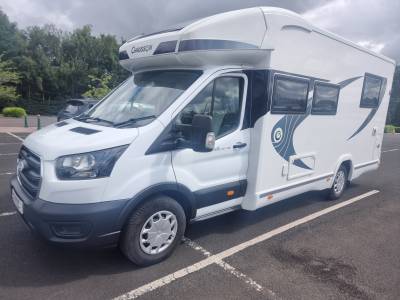
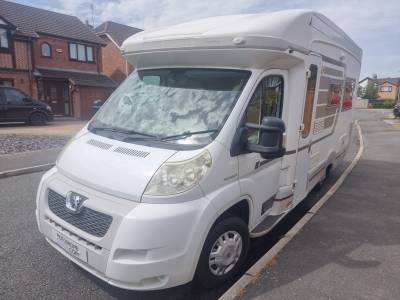
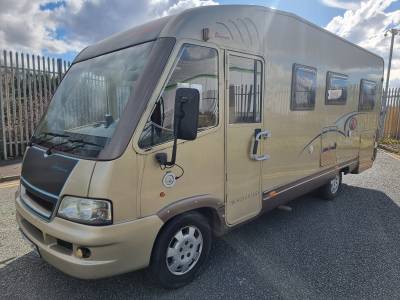
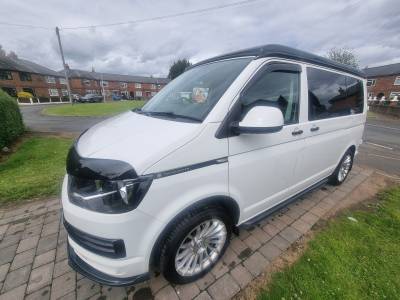
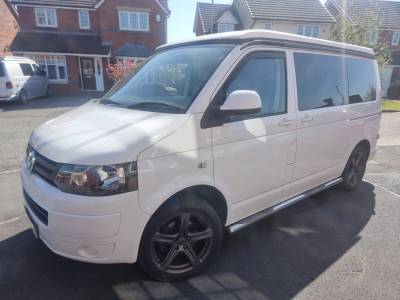
Looking to buy a motorhome in your local area? We are the local specialists and offer a wide range of motorhomes across a range of sizes and prices. We have motorhomes for sale in Rhyl. We offer campervans in Rhyl. Check out our range of motorhomes in Rhyl.
Rhyl (/rɪl/ ⓘ; Welsh: Y Rhyl, pronounced [ə ˈr̥ɨl]) is a seaside town and community in Denbighshire in Wales. The town lies on the north coast of Wales, at the mouth of the River Clwyd.
To the west is Kinmel Bay and Towyn, to the east Prestatyn, and to the south-east Rhuddlan and St Asaph.
At the 2021 Census, Rhyl had a population of 27,325. Rhyl forms a conurbation with Prestatyn and its two outlying villages, the Rhyl/Prestatyn Built-up area, whose 2021 population of 45,250 makes it North Wales's most populous non-city. Adding to that the adjoining town of Kinmel Bay it is around 50,000.
Rhyl was once an elegant Victorian resort town, but suffered rapid decline around the 1990s and 2000s; attempts have been made to reverse this through county investment, equal to around £15 million from Denbighshire County, however, the outcomes have been perceived with varying levels of success. [citation needed]
Prior to being in Denbighshire since 1996, it was in the Clwyd district of Rhuddlan, and before that the historic county of Flintshire.
Rhyl has a number of Grade II listed buildings and landmarks. These include the Parish Church of St Thomas in Bath Street, which is listed as Grade II*.[5] Others are the Midland Bank building, the railway station along with two signal boxes and the public telephone box on the up platform, the Royal Alexandra Hospital, the Sussex Street Baptist Church, Rhyl Town Hall, the Swan public house in Russell Road, the war memorial, and the Welsh Presbyterian Church in Clwyd Street.[6]
Also notable is the Grade II listed Foryd Harbour Bridge, a blue bridge with distinctive bowstring girders built in 1932. Situated over the River Clwyd, it links Rhyl with Kinmel Bay.
Another landmark is the Church of St Margaret of Antioch. The Marble Church was built by Lady Margaret in memory of her late husband, Sir Henry Peyto Willoughby de Broke. It was completed within four years and consecrated on 23 August 1860, becoming the parish church of a new parish of Bodelwyddan, covering an area formerly in that of St Asaph. The church opens daily from 9:30 to 16:30, except between 25 December and 6 January.
A previous Rhyl landmark was the ornate Pavilion Theatre with five domes, which was demolished in 1974. Half a mile further down the promenade stood Rhyl Pier, opened in 1867 at 2,355 feet (718 m) long. The structure was damaged by ships in 1883 and again in 1891. It was further damaged in 1901 by fire. Storms were responsible for further damage in 1909 in 1913 was closed as unsafe. Although it reopened with a much-reduced length in 1930, it closed again in 1966 and was demolished in 1973.[7]
Rhyl's top attractions on the West Parade are Rhyl Children's Village theme park, and the 250-foot (76 m) Sky Tower (formerly the Clydesdale Bank tower, brought to Rhyl from the 1988 Glasgow Garden Festival). The Sky Tower opened in 1989,[8] but it was closed to the public in 2010 and transformed into an illuminated beacon in 2017.[9][10][11] A VUE Cinema that closed in January 2025 was also located there, although this cinema is being reopened under Merlin Cinemas.
Up until 2014, Rhyl Suncentre was an attraction on the East Parade; an indoor water leisure centre which opened in 1980 at a cost of £4.25 million and featured a heated swimming pool, water chutes and slides, and Europe's first indoor surfing pool.[12] The local council closed the centre in early 2014 and it was demolished in 2016. A new Travelodge hotel was built next to the site, which opened in early 2019.[13] A new indoor/outdoor water park, the SC2, opened further along the promenade in 2019, and includes various pools with water chutes and slides, as well as a separate "Ninja Tag" assault course game complex. Also on the East Parade is the New Pavilion Theatre, opened in 1991. It has over 1,000 seats and is managed by Denbighshire County Council.[14] Redevelopment of the Pavilion theatre in 2017 provided for a new façade, entrance foyer and restaurant, and refurbished bar areas.[15]