









Motorhomes For Sale Near Me
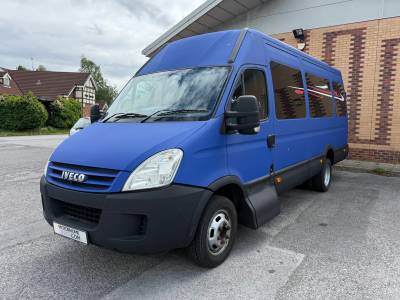
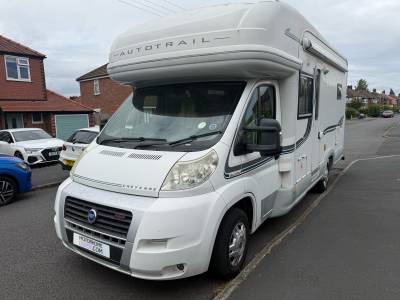
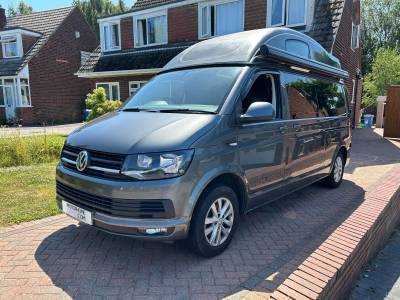
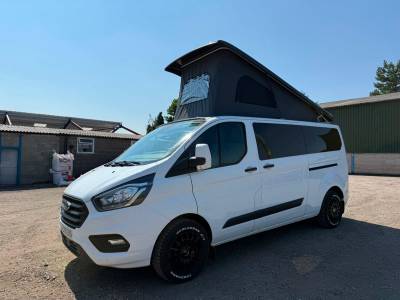
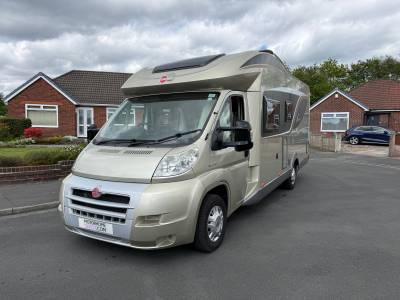
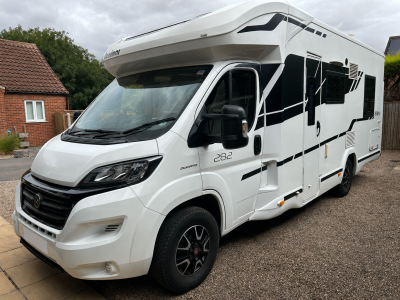
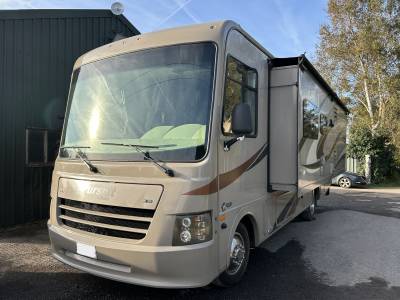
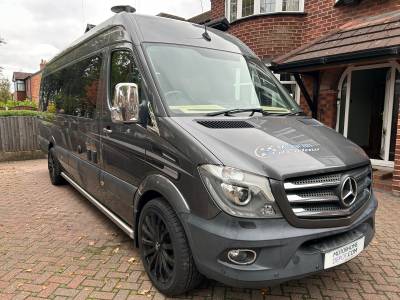
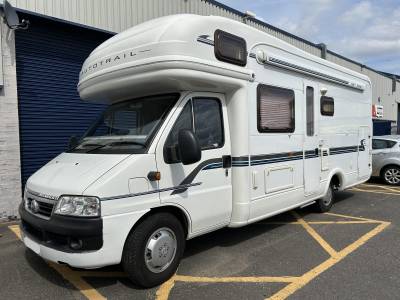
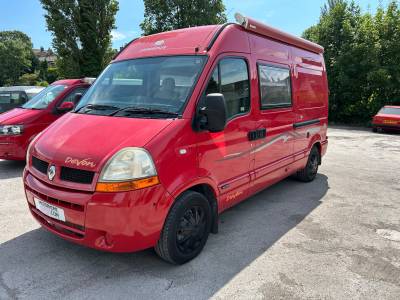
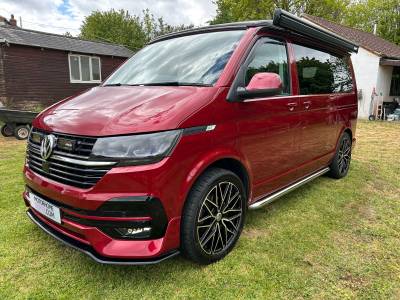
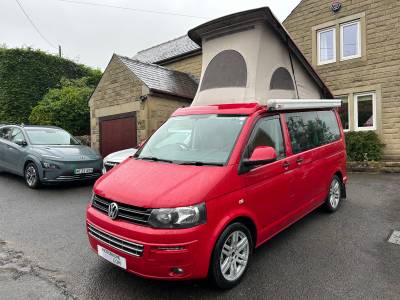
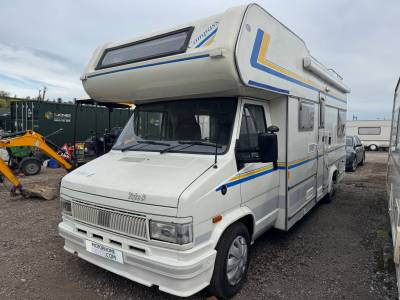
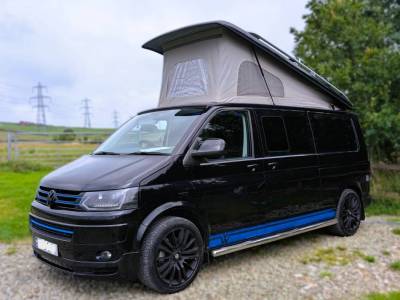
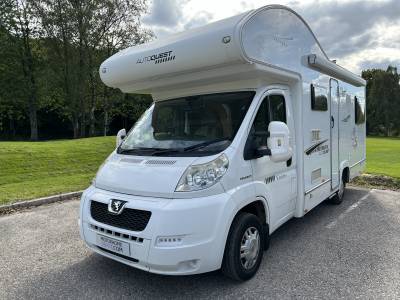
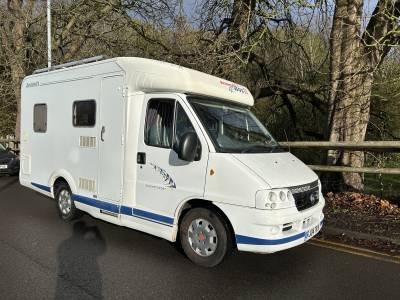
Looking to buy a motorhome in your local area? We are the local specialists and offer a wide range of motorhomes across a range of sizes and prices. We have motorhomes for sale in Manchester. We offer campervans in Salford and Stockport. Check out our range of motorhomes in Sale.
Manchester (/ˈmæntʃɪstə(r), -tʃɛs-/ ⓘ)[5][6] is a city and metropolitan borough in Greater Manchester, England. It had an estimated population of 568,996 in 2022.[3] Greater Manchester is the third-most populous metropolitan area in the United Kingdom, with a population of 2.92 million,[7] and the largest in Northern England. It borders the Cheshire Plain to the south, the Pennines to the north and east, and the neighbouring city of Salford to the west. The city borders the boroughs of Trafford, Stockport, Tameside, Oldham, Rochdale, Bury and Salford.
The history of Manchester began with the civilian settlement associated with the Roman fort (castra) of Mamucium or Mancunium, established c. AD 79 on a sandstone bluff near the confluence of the rivers Medlock and Irwell. Throughout the Middle Ages, Manchester remained a manorial township but began to expand "at an astonishing rate" around the turn of the 19th century. Manchester's unplanned urbanisation was brought on by a boom in textile manufacture during the Industrial Revolution[8] and resulted in its becoming the world's first industrialised city.[9] Historically part of Lancashire, areas south of the River Mersey were incorporated into Manchester in the 20th century, including Wythenshawe in 1931. Manchester achieved city status in 1853. The Manchester Ship Canal opened in 1894, creating the Port of Manchester and linking the city to the Irish Sea, 36 miles (58 km) to the west. The city's fortunes declined after the Second World War, owing to deindustrialisation. The IRA bombing in 1996 led to extensive investment and regeneration.[10] Manchester was the host city for the 2002 Commonwealth Games.
The city is notable for its architecture, culture, musical exports, media links, scientific and engineering output, social impact, sports clubs and transport connections. Manchester Liverpool Road railway station is the world's oldest surviving inter-city passenger railway station.[11] At the University of Manchester, Ernest Rutherford first split the atom in 1917; Frederic C. Williams, Tom Kilburn and Geoff Tootill developed the world's first stored-program computer in 1948; and Andre Geim and Konstantin Novoselov first isolated graphene in 2004.
Manchester is contiguous with the neighbouring city of Salford, separated from it by the River Irwell. The M60 motorway, also known as the Manchester Outer Ring Road, runs around the city and joins the M62 to the north-east and the M602 to the west, as well as the East Lancashire Road and A6.
Salford (/ˈsɒlfərd/ SOL-fərd) is a city in Greater Manchester, England,[2][3] on the western bank of the River Irwell which forms its boundary with Manchester city centre. Landmarks include the former town hall, Salford Cathedral, Salford Lads' Club and St Philip's Church. In 2021 it had a population of 129,794. The demonym for people from Salford is Salfordian.
Salford is the main settlement of the wider City of Salford metropolitan borough, which incorporates Eccles, Pendlebury, Swinton and Walkden.
Salford was named in the Early Middle Ages, though evidence exists of settlement since Neolithic times. It was the seat of the large Hundred of Salford in the historic county of Lancashire and was granted a market charter in about 1230, which gave it primary cultural and commercial importance in the region.[4] It was eventually overtaken by Manchester during the Industrial Revolution.[5][6] The former County Borough of Salford was granted city status in 1926; the current wider borough was established in 1974.[7]
The economy of the city in the 18th and 19th centuries was focused on a major factory district for cotton and silk spinning and weaving, and as a major inland port after the opening of Salford Docks in 1894. Industrial decline in the 20th century led to the city having run-down and antisocial areas.[8] Salford has been subject to slum clearances and other regeneration programmes since the 1930s. From 2007, multiple media companies set up headquarters at the MediaCityUK development in Salford Quays, an area established in the 1980s on former dockland.[9] Organisations in the city include the University of Salford, Salford City Football Club, Salford Red Devils, BBC North and ITV Granada.