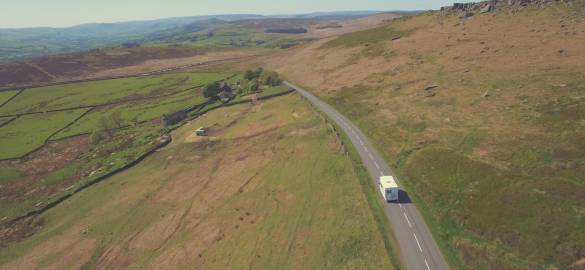








Sell Your Motorhome
We are the local specialists in selling campervans in your area. We will sell your motorhome in Leicester. Get the best price for your motorhome in Horsham and East Grinstead. We have motorhome buyers for you in Haywards Heath.
Strategic Positioning
Melton Mowbray is a significant market town in North-East Leicestershire, positioned between Leicester, Nottingham, and Grantham. Its central location within a largely rural district gives it strong strategic value as a service hub for surrounding villages and agricultural communities. The town sits close to key transport routes including the A607 and A6006, supporting smooth movement across the East Midlands and facilitating access into larger urban centres.
Population & Demographics
Melton Mowbray has a population of roughly 27,000, with the wider Melton district approaching 50,000. The demographic mix includes families, long-term residents, agricultural workers, and an older, settled population with stable homeownership patterns. The area is known for its strong community identity and traditional market-town character. Demand patterns tend to be steady, driven by reliable local loyalty and lower population turnover than major cities.
Local Economy
The local economy combines food production, agriculture, engineering, retail, and tourism. Melton Mowbray is internationally recognised for its food heritage, particularly pork pies and Stilton cheese, which anchor a thriving artisan and speciality foods sector. Manufacturing firms, rural enterprises, and service-based SMEs contribute to a resilient, mixed economy. The town centre retains a blend of independent traders, national retailers, and hospitality venues, supporting year-round footfall.
Transport & Connectivity
Melton Mowbray is connected via the A607 to Leicester and Grantham and the A6006 to Loughborough, giving broad reach across the region. Rail services provide access to Leicester, Nottingham, and other East Midlands destinations. While not motorway-adjacent, the road network offers practical access for regional operators and field services. The area’s connectivity supports steady commercial activity and facilitates movement between rural and urban catchments.
Housing & Geographic Structure
Housing in Melton Mowbray reflects a mix of traditional Victorian and Georgian properties, established estates, and newer suburban developments. Surrounding villages such as Asfordby, Thorpe Arnold, Waltham on the Wolds, Scalford, Long Clawson, and Old Dalby widen the catchment with rural and semi-rural homes, often higher in value and predominantly owner-occupied. The overall housing market is stable, with predictable demand and modest turnover.
Key Landmarks & Attractions
Melton Mowbray Market
St Mary’s Church
Ye Olde Pork Pie Shoppe
Melton Country Park
The Regal Cinema
Melton Carnegie Museum
Food festivals and speciality markets
Business Considerations
Melton Mowbray offers a stable, community-led commercial environment with a strong identity and high brand loyalty. The town’s food heritage supports tourism and visitor spend, while local residents provide consistent year-round trade. The rural district structure fosters long-term customer relationships, making the area well suited to service-based, lifestyle, and premium-positioned offerings. Its central location, reliable population base, and broad rural catchment make it a valuable operational territory, especially for businesses requiring trusted, relationship-driven engagement.
Strategic Positioning
Oakham is the county town of Rutland and serves as the primary administrative and service hub for England’s smallest county. Positioned between Leicester, Stamford, and Melton Mowbray, it provides strong regional reach across the East Midlands. Its central location within a largely rural, affluent county makes it operationally valuable for service delivery, premium customer engagement, and long-term relationship-based business sectors.
Population & Demographics
Oakham has a population of roughly 11,000, with the wider Rutland population approaching 40,000. The area is characterised by high levels of homeownership, stable residency, and an older, affluent demographic profile. It is a low-density, high-quality living environment with strong community cohesion. The population base supports predictable consumer behaviour and sustained demand for lifestyle, home services, and premium goods.
Local Economy
The local economy is shaped by public sector employment, independent retail, hospitality, education, and rural enterprise. The presence of Oakham School contributes to economic stability and professional employment in the town. Small businesses form a significant portion of the commercial landscape, and surrounding rural areas support agriculture, equestrian activities, and tourism. Rutland’s wider reputation for quality of life underpins steady economic resilience.
Transport & Connectivity
Oakham sits on key regional routes including the A606 and A47, connecting it to Leicester, Stamford, Melton Mowbray, and Peterborough. Oakham railway station provides services to Leicester, Peterborough, and the wider East Midlands network. While more remote from major motorways, its road network allows effective travel across the region. Rutland Water, a major local attraction, strengthens visitor numbers and supports seasonal economic flows.
Housing & Geographic Structure
Oakham’s housing stock includes period stone-built homes, modern developments, and well-established residential areas. The town serves as the primary centre for surrounding villages such as Langham, Cottesmore, Empingham, and Exton, which consist largely of high-value rural and semi-rural housing. The housing market is stable, with relatively low turnover and consistent demand from families, professionals, and retirees seeking a high-quality rural lifestyle.
Key Landmarks & Attractions
Oakham Castle
Rutland County Museum
Oakham School
Rutland Water Nature Reserve
Market Square and independent shops
Local heritage sites and countryside attractions
Business Considerations
Oakham presents a premium, stable commercial environment with strong spending power and long customer retention. Its affluent and settled population supports high-quality service delivery and niche market opportunities. While smaller in scale than major towns, it compensates through economic resilience, low churn, and a broad rural catchment. Oakham’s central role within Rutland positions it as an ideal territory for businesses that rely on trusted relationships, bespoke services, and consistent repeat engagement.